I had my stuff cataloged in a tidy JSON database and an LLM still couldn't usefully touch it. The fix was to throw the database out and make the storage a folder of plain Markdown the model already knows how to read.
Last time I raced four coding-agent CLIs head to head. The obvious sequel: stop racing them and conduct them. I had one Claude drive codex, kimi, and aider in parallel to build a feature, and measured what it cost, what broke, and whether parallel agents actually integrate.
I gave Claude Code, Codex, Cursor, and Kimi the same three coding tasks behind a hidden test suite. The two easy tasks tied at 100%. The hard one only separated them after I ran it three times each.
An AI coding agent can change a mesh, a shader, or a camera and have no idea whether it looks right. Here is the headless viewport-capture trick that turns 'I think this renders' into a PNG, plus the new workways godot cluster it ships in.
When Fable 5 got export-control banned overnight, every app built on it broke. I spent a weekend (and some OpenRouter credit) finding out how close open-weight models (and mixes of them) can get on real agentic coding tasks.
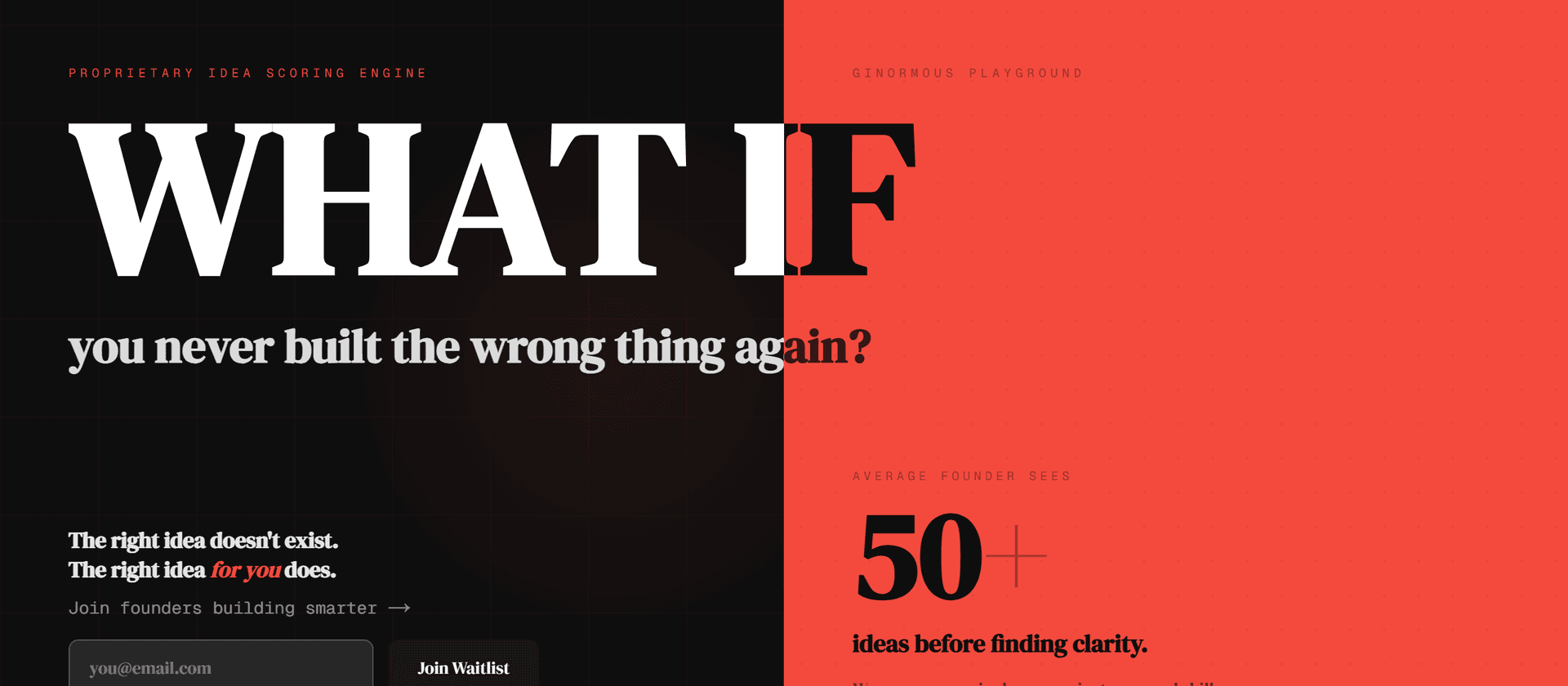
Picking a font by arguing about it in the abstract is slow and wrong. The faster move is to inject every candidate into the real running app behind a ?option=N switch and look. I did it on a landing-page hero, across 16 fonts, and the boring sans won.
I wanted a looping clip of a UI flow for a post. Instead of hitting record and clicking through it by hand, I had a headless browser record itself from a script. No display attached, deterministic, reproducible in CI.
Running multiple Appium suites at once means fighting over the same iOS simulator. Here's the cooperative UDID-keyed file lock we use to let parallel runs share a pool of sims without trampling each other.
A webcam, MediaPipe, and a ridge-regularized affine model that maps where I'm looking to a screen coordinate, then hands focus to whichever iTerm2 pane my gaze lands in. No special hardware, no clicking.
The patterns I kept rebuilding across Claude Code projects (parallel e2e, PR screenshots, driving a real logged-in browser), pulled into npx-installable clusters you own and edit, not a runtime dependency.
Teams bolt Elasticsearch onto a stack for 'faster search' and never write down the number they're beating. The whole QA strategy is one falsifiable bet against a MySQL baseline, behind a flag you can flip back.
NativeWind gives you Tailwind's class names in React Native, then quietly drops half of CSS and converts the rest at runtime. Treat it as React Native with shorthand, not Tailwind, and it gets good.
The Expo vs bare debate is really one question: who owns your build. Start managed, but set the project up so buying control back costs an afternoon, not a rewrite.